
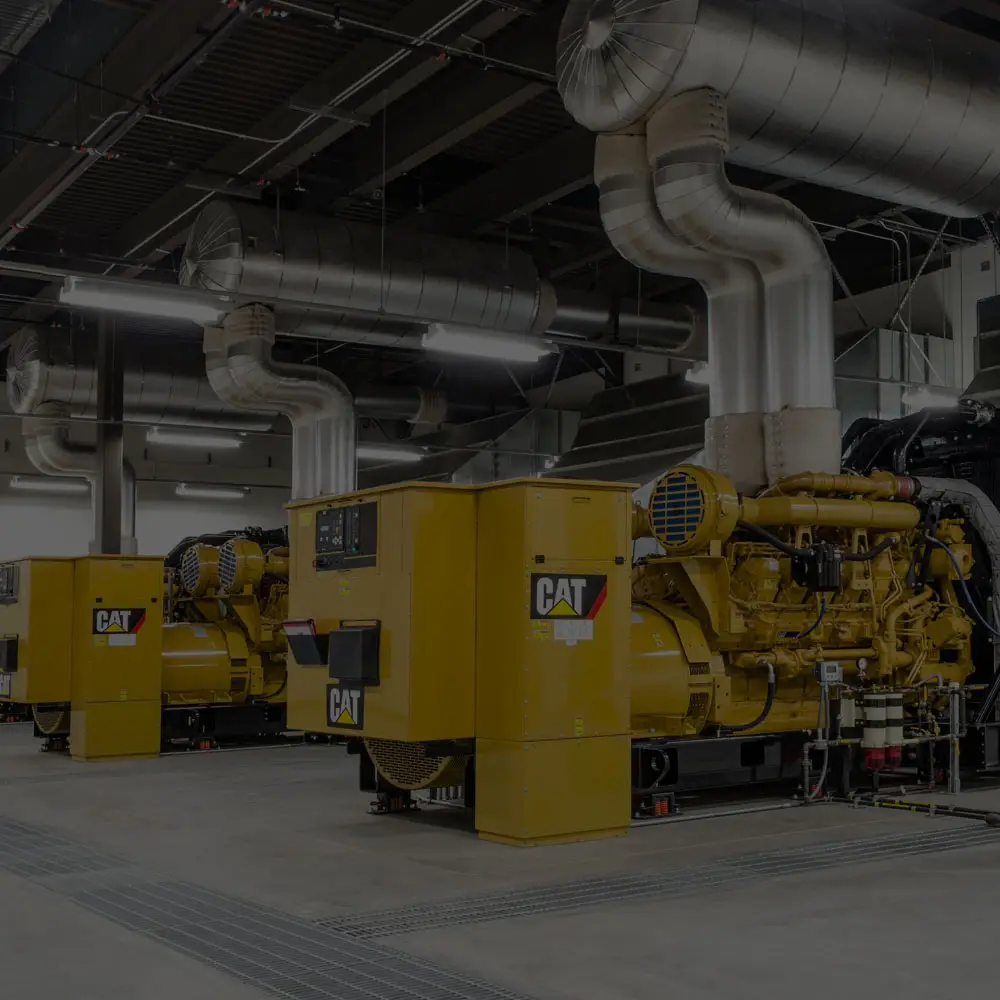
In commercial and industrial facilities, reliable electrical systems are essential to keeping operations moving. From manufacturing equipment and automated machinery to lighting, HVAC, and critical infrastructure, nearly every aspect of daily operations depends on consistent electrical power.
Yet electrical equipment is often overlooked until something goes wrong. Unexpected failures can halt production, disrupt schedules, and create significant financial losses. Routine electrical maintenance helps businesses identify developing problems before they turn into costly interruptions.
The Cost of Unexpected Downtime
When electrical equipment fails, the expense often extends beyond the repair itself. Lost production, idle employees, damaged materials, and missed deadlines can quickly compound the financial impact.
Fortunately, many electrical problems develop gradually. Loose connections, deteriorating insulation, overloaded circuits, and excessive heat may produce warning signs long before equipment fails.
A comprehensive preventative electrical maintenance program can help identify these issues through:
- Infrared thermography: Detecting abnormal heat patterns that may indicate developing electrical problems.
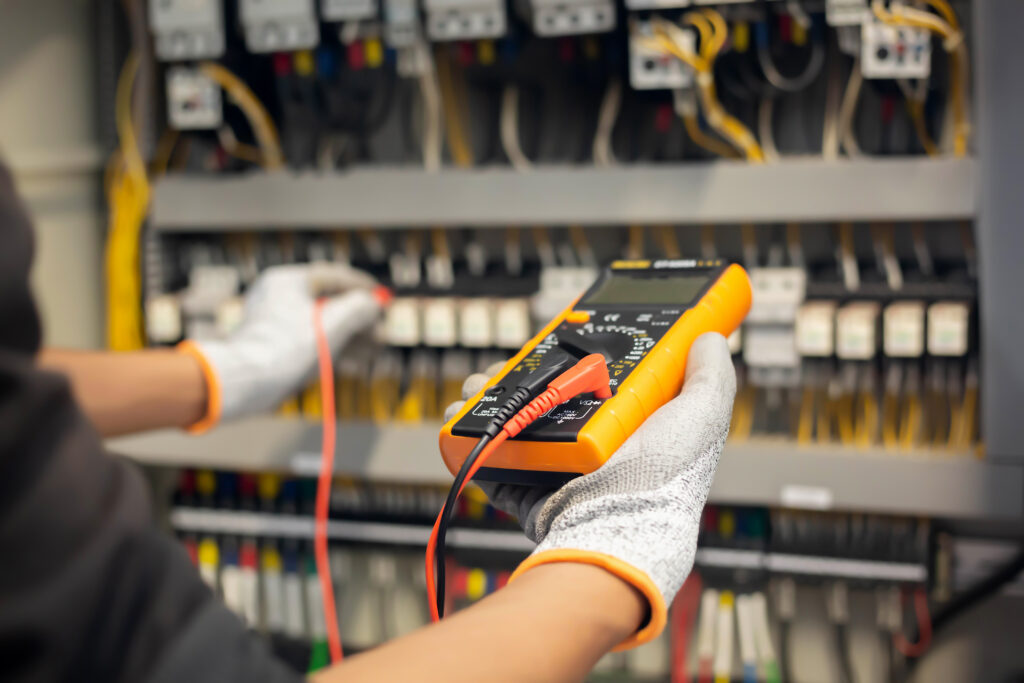
- Electrical inspections: Evaluating switchgear, panels, transformers, and distribution equipment for deterioration or damage.
- Testing and diagnostics: Assessing equipment condition and identifying potential performance concerns.
- Component maintenance: Servicing connections, protective devices, and other electrical components according to manufacturer recommendations.
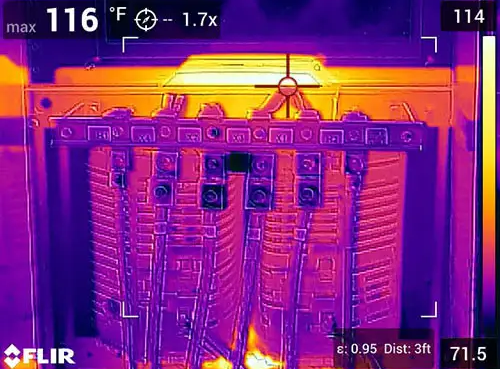
By addressing potential problems early, facility managers can reduce the likelihood of unexpected shutdowns and better plan necessary repairs.
A Proactive Approach to Electrical Reliability
Preventative maintenance isn’t simply good practice; it’s supported by established industry standards.
The National Fire Protection Association’s NFPA 70B, Standard for Electrical Equipment Maintenance, establishes requirements for electrical equipment maintenance programs, including inspections, testing, documentation, and corrective actions.
These programs help facilities prioritize equipment maintenance based on operating conditions, manufacturer recommendations, and potential risks.
Electrical safety is equally important. NFPA 70E, Standard for Electrical Safety in the Workplace, addresses safe electrical work practices and the importance of equipment maintenance condition when evaluating electrical hazards.
Additionally, OSHA regulation 29 CFR 1910.333 establishes safety-related work practices for employees working on or near electrical equipment, including requirements for deenergizing equipment and protecting workers from electrical hazards.
Together, these standards reinforce the importance of properly maintained equipment and safe maintenance procedures.
Planned Electrical Maintenance vs. Emergency Repairs
Emergency electrical repairs will always have a place in commercial and industrial operations. However, relying exclusively on reactive maintenance can lead to unpredictable expenses and prolonged downtime.
Scheduled industrial electrical maintenance services allow businesses to coordinate inspections, repairs, and equipment replacements during planned shutdowns or periods of reduced activity.
An experienced electrical maintenance contractor can help facilities develop a practical maintenance schedule, identify equipment requiring attention, and address potential failures before they interrupt production.
Keeping Business Moving
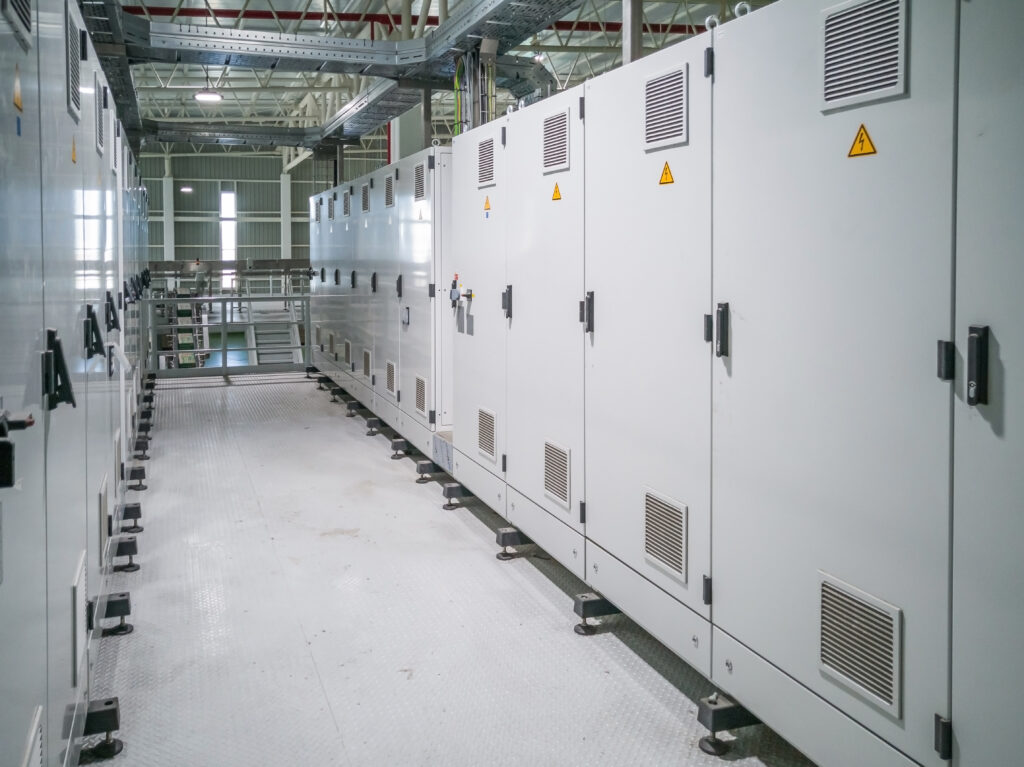
Reliable electrical infrastructure doesn’t happen by accident. It requires consistent inspections, proper maintenance, and a proactive approach to equipment reliability.
Whether operating a manufacturing plant, distribution center, or commercial facility, investing in preventative maintenance helps protect productivity, improve workplace safety, and reduce avoidable operating expenses. Working with an experienced electrical contractor that offers comprehensive commercial electrical services can help businesses stay ahead of potential problems.
The goal is simple: identify problems early, prevent unnecessary downtime, and keep operations moving.
Because the most cost-effective production interruption is often the one that never happens.
References:
Electrical maintenance programs, inspections, testing, and equipment reliability.
Electrical safety programs, risk assessment, and safe work practices.
Deenergizing, lockout/tagout provisions for electrical circuits, and qualified electrical workers.
Control of hazardous energy during applicable machine servicing and maintenance.