
Every cloud application, online transaction, and AI query depends on physical equipment somewhere. Behind the digital services businesses use every day are data centers and the electrical systems that keep them operating.
As demand for computing grows, developers, facility owners, and construction teams face an increasingly important question: How do you deliver dependable power today while preparing for tomorrow’s demand?
The answer begins with electrical planning, and data center electrical contractors play an important role throughout the process by supporting installation, testing, power distribution, and ongoing maintenance.
What Do Data Center Electrical Contractors Do?
Data center electrical contractors help install and support the electrical infrastructure required to operate servers, cooling equipment, networking systems, and other critical loads. Depending on the project, this can include power distribution equipment, UPS systems, backup generators, grounding and bonding, equipment installation, testing, and preventive maintenance.
The specific approach depends on the facility’s power requirements, reliability goals, operating strategy, and plans for future expansion.
A Growing Industry With a Growing Appetite for Power
 Data centers house the servers, storage, and networking equipment that process and move information. Cloud computing and artificial intelligence are helping drive demand for that equipment and the facilities supporting it.
Lawrence Berkeley National Laboratory’s updated U.S. Data Center Energy Usage Report projects that data centers could account for approximately 11.8% of U.S. electricity consumption by 2030, with scenarios ranging from 9.5% to 15.3%. These projections illustrate the scale of the infrastructure challenge ahead.
For construction teams, this growth puts electrical planning at the center of the conversation. For facility operators, it reinforces the importance of keeping that infrastructure ready to perform.
How Do Industrial Power Distribution Systems Support Data Centers?
Servers represent only part of a data center’s electrical demand. Cooling equipment and supporting building systems also require power.
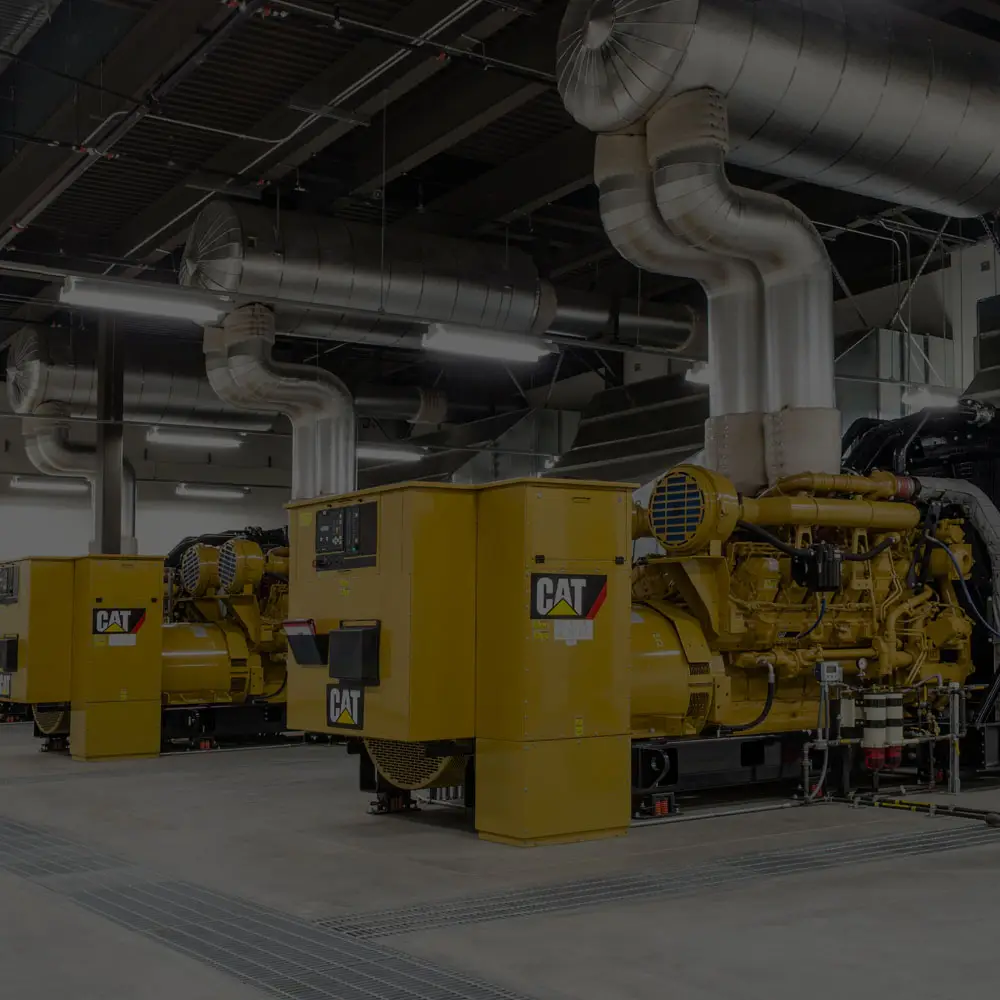
Depending on the facility’s design, electricity moves through transformers, switchgear, uninterruptible power supplies (UPS), and downstream distribution equipment before reaching critical loads. Backup generators provide an alternate source during utility interruptions. The Department of Energy identifies electrical distribution and cooling as key areas in data center design and efficiency.
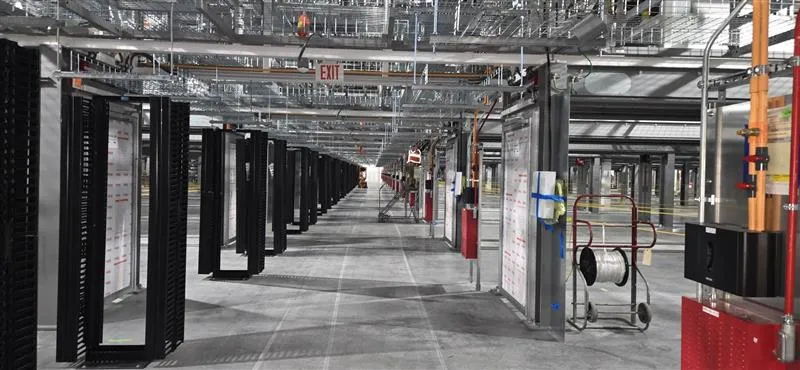
These industrial power distribution systems must work together. Planning starts with understanding the full facility’s needs, how power will reach each load, and how the installation will accommodate maintenance and growth.
Reliability Requires More Than Backup Equipment
A data center’s electrical infrastructure must support an operating strategy as well as a power requirement.
Project teams need to consider utility interruptions, equipment failures, and planned maintenance. Those discussions help establish the appropriate redundancy: additional components or power paths that reduce dependence on a single piece of equipment.
The right approach depends on the operation, its budget, and the consequences of downtime. Useful questions include:
- Which systems must remain available during an interruption?
- How will critical electrical equipment be isolated for maintenance?
- What testing will demonstrate that backup systems operate as intended?
- Who will manage ongoing inspections, service, and equipment replacement?
Addressing these questions early helps turn reliability goals into practical design and operating decisions.
Why Preventive Electrical Maintenance Matters for Data Centers
Once a facility is operating, electrical reliability becomes an ongoing responsibility.
Equipment ages, loads change, and developing problems may go unnoticed until a system is called upon to perform.
An electrical maintenance contractor can help facility operators establish a structured approach to inspections, testing, service, and equipment replacement.
NFPA 70B, Standard for Electrical Equipment Maintenance, provides a framework for maintaining electrical equipment to help prevent failures and worker injuries. Alongside manufacturer instructions, it supports a structured approach to caring for the infrastructure that critical operations depend on.
For data centers, key maintenance activities include:
- UPS battery maintenance and replacement: Routine testing and timely replacement help preserve backup capacity as batteries age.
- Backup power maintenance: Coordinated service and testing help verify that generators and transfer equipment can support critical loads.
- Grounding and bonding audits: Inspections and testing identify compromised connections that can affect safety and system performance.
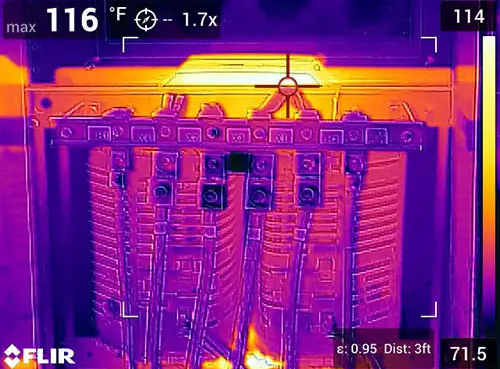
- Infrared electrical inspection and thermography: Thermal inspections help identify abnormal heating so developing electrical problems can be investigated and corrected.
The value comes from making these activities part of a continuing program. Documented findings, repairs, and replacement history help operators track equipment condition and prioritize work before problems disrupt operations.
What Is an Infrared Electrical Inspection?
An infrared electrical inspection uses thermal imaging to identify abnormal heating in electrical equipment. Areas showing unusual heat can then be investigated to determine whether a connection, load condition, or component requires additional attention.
For data centers and other critical facilities, infrared inspection can be incorporated into an ongoing preventive maintenance program to help identify developing issues before they affect operations.
Electrical Planning Belongs at the Beginning
Before construction schedules and equipment layouts become fixed, project teams should establish the intended load, utility service requirements, and expansion plans.
Early coordination among the owner, utility, engineers, and electrical contractor brings practical installation needs into those decisions. Equipment access, cable routing, working space, and construction sequencing all deserve attention.
Good industrial electrical project planning also helps project teams coordinate schedules, minimize disruption, and keep electrical work moving efficiently.
Maintenance access matters just as much. Teams should consider how equipment will be inspected, serviced, and eventually replaced.
Inside an operating facility, installation and maintenance work must also account for ongoing operations. Planned shutdowns need a defined scope, assigned responsibilities, and a clear return to service process. Resolving these details early reduces uncertainty when work begins.
Build With the Next Phase in Mind
Today’s equipment layout may not reflect tomorrow’s computing needs. Space for additional distribution equipment, accessible pathways, and a phased approach to capacity can make future expansion more manageable.
A useful planning question is: What would it take to add the next phase and maintain it once installed?
As facilities grow, drawings, equipment records, and maintenance plans should reflect new equipment and revised power paths.
The data center boom depends on infrastructure built to carry increasing demand. Keeping that infrastructure dependable requires the same attention after installation as it does before construction. Thoughtful planning, coordinated execution, and preventive maintenance help keep the power behind digital growth ready for the years ahead.
Supporting the Next Generation of Electrical Infrastructure
Data center growth places greater demands on every stage of an electrical project, from initial load planning through installation, commissioning, and maintenance.
The strongest projects establish clear performance requirements early and maintain coordination among owners, utilities, engineers, equipment suppliers, and contractors throughout execution.
Universal Electrical Service supports commercial and industrial facilities with commercial and industrial electrical services that include power distribution upgrades and equipment installation.
Planning a new facility or expanding an existing operation? Contact Universal Electrical Service to discuss your electrical construction requirements and how our team can support your project.
FAQs About Data Center Electrical Infrastructure
A data center electrical contractor helps install and maintain the electrical systems that support servers, cooling equipment, networking systems, and other critical loads. This can include power distribution equipment, UPS systems, backup generators, grounding, testing, and preventive maintenance.
Power may move through transformers, switchgear, uninterruptible power supplies, and downstream distribution equipment before reaching critical loads. Backup generators can provide an alternate source of power during utility interruptions.
Infrared electrical inspections use thermal imaging to identify abnormal heating in electrical equipment. This can help maintenance teams investigate developing issues before they contribute to equipment failure or operational disruption.