
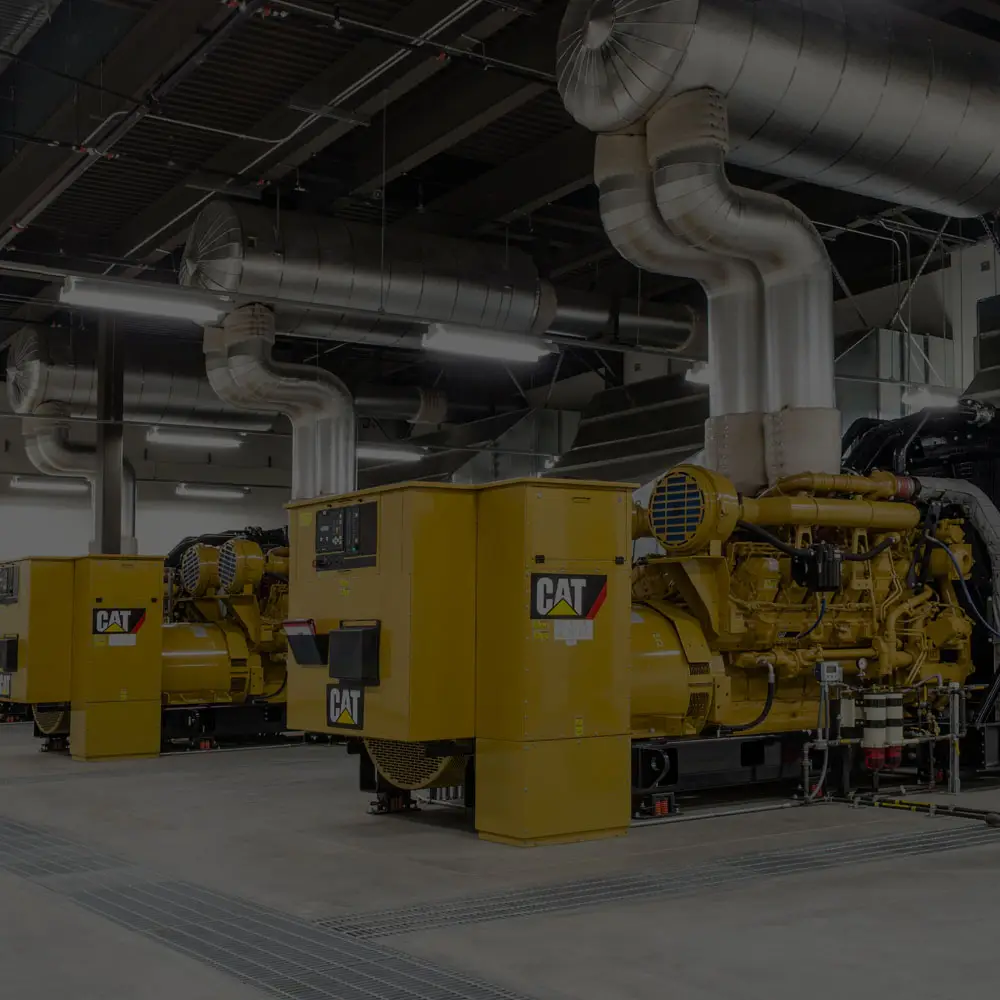

In industrial electrical work, hitting project deadlines is not just about finishing on time. It is about maintaining trust, supporting operations, and delivering the results the customer expects.
When electrical work falls behind, the impact is felt quickly. Production schedules can shift, coordination with other trades can break down, and project costs can rise. In industrial environments, where timing and performance are closely connected, staying on schedule is a direct reflection of how well the work is being managed.
For companies that rely on industrial electrical services, deadlines matter because they affect far more than the installation itself. They affect operations, planning, and confidence in the contractor performing the work.
At Universal Electrical, that responsibility is understood from the start. The goal is not just to complete the work, but to do it in a way that supports the customer’s desired end result.
Why deadlines matter in industrial electrical projects
Industrial electrical projects are tied to broader operational schedules. Electrical work often has to align with equipment installation, automation systems, startup timelines, and facility operations.
When deadlines are missed:
- Production may be delayed
- Startup schedules can shift
- Labor costs can increase
- Coordination with other teams becomes harder
- Trust with the customer can weaken
That is why deadlines matter so much in industrial electrical projects. They are not just internal milestones. They are part of the customer’s overall business objective.
Managing teams on active jobsites
Meeting deadlines starts with managing people well.
Industrial electrical work often involves multiple crews, overlapping scopes, and coordination with other trades. Teams need to know what they are responsible for, when work needs to happen, and how their tasks affect the next phase of the project.
Strong jobsite management includes:
- Clear communication between crews
- Defined responsibilities
- Coordination with site leadership and other trades
- Keeping work aligned with the schedule
Without that structure, small issues can quickly turn into larger delays. This is one of the main differences between average contractors and experienced teams that know how to keep complex work moving.
Our team understands that staying on schedule requires field leadership, not just labor on-site.
Why realistic project bids matter
A project can start falling behind before work even begins if the original bid is unrealistic.
If project numbers are too aggressive or the timeline is underestimated, pressure is built into the job from day one. That often leads to rushed decisions, schedule problems, and missed milestones later on.
Realistic bids should account for:
- Labor requirements
- Material availability
- Site complexity
- Sequencing needs
- Coordination with the customer and other teams
How experienced teams respond to setbacks and delays
No industrial project moves forward without challenges. Site conditions change, materials arrive late, access may be limited, and schedules need to be adjusted.
What matters is how the team responds.
Experienced contractors do not wait for problems to grow. They identify setbacks early, communicate clearly, and adjust quickly so progress continues.
This helps reduce the impact of:
- Delayed materials
- Field coordination problems
- Site access limitations
- Shifting schedules
- Unexpected jobsite conditions
Delays are sometimes unavoidable. Losing control of the project is not.
Quick response to change orders matters
Potential change orders are a normal part of industrial electrical projects.
When scope changes, field conditions shift, or the customer needs something adjusted, the speed of response matters. Slow decisions around change orders can affect labor planning, disrupt sequencing, and delay the entire project.
Quick response to change orders helps teams:
- Keep work moving
- Reduce confusion on-site
- Avoid schedule breakdowns
- Stay aligned with the customer’s expectations
This is one of the clearest examples of how project management affects deadlines in the field.
Software and systems help keep projects organized
Execution is not just about field work. It also depends on how well the project is managed behind the scenes.
Software and internal systems help teams track progress, communicate updates, and stay aligned across the job.
This may include:
- Project management software
- Scheduling systems
- Communication tools
- Systems for tracking updates and scope changes
These tools help reduce missed details that can create delays later.
For a team operating with the discipline of an electrical engineering contractor, organization is part of execution. Strong systems make it easier to manage timelines, crews, and customer expectations.
The value of regular walkthroughs
Regular walkthroughs are another important part of staying on schedule.
They give teams the chance to:
- Verify progress in the field
- Catch issues early
- Check alignment with the schedule
- Identify anything that may affect the next phase of work
Walkthroughs are not just routine check-ins. They are a practical way to stay proactive instead of reactive.
By consistently reviewing the jobsite, teams can address issues before they become major delays.
Having the right tools and equipment on-site
Planning and communication matter, but execution also depends on readiness in the field.
Having the right tools and equipment on-site allows crews to work efficiently and respond to conditions without unnecessary delays. If teams are missing the equipment they need, time is lost, momentum drops, and deadlines become harder to maintain.
Prepared teams are better able to:
- Work efficiently
- Solve problems in real time
- Maintain productivity
- Keep the project aligned with the schedule
This is a simple point, but it has a direct impact on project performance.
Staying focused on the customer’s desired end result
This is one of the most important points in the entire blog.
Meeting deadlines matters, but the goal is not just to finish quickly. The goal is to deliver the result the customer needs.
At Universal Electrical, project execution is tied to the customer’s desired end result. That means staying focused on:
- Operational goals
- Quality of installation
- System reliability
- How the project supports the customer’s broader objectives
Deadlines matter because they are part of delivering that outcome. Staying on schedule, adapting to changes, and managing the work well all support the final result the customer is counting on.
Final thoughts
In industrial electrical projects, staying on schedule takes more than technical skill. It requires team management, realistic planning, quick response to setbacks, organized systems, regular walkthroughs, fast handling of change orders, and the right tools and equipment on-site.
More importantly, it requires staying focused on the customer’s desired end result.
That is the real takeaway.
In industrial environments, hitting deadlines is not just about working faster. It is about working in a way that keeps the project organized, supports the customer’s goals, and delivers reliable results from start to finish.
If you are planning an industrial electrical project and need a contractor that understands how to execute work efficiently while staying focused on quality, timing, and results, contact our team to discuss your project.