
Food and beverage processing facilities depend on electrical systems for more than basic power. Electrical infrastructure supports production equipment, refrigeration systems, packaging lines, conveyor systems, sanitation areas, automation, lighting, safety systems, and facility expansion.
At Universal Electrical, we understand that these environments require electrical systems built around demanding production conditions. A food or beverage facility may have mixers, pumps, compressors, ovens, bottling lines, canning lines, conveyors, refrigeration units, and packaging equipment operating at the same time. Each system depends on reliable electrical planning and installation.
As an industrial electrical contractor, Universal Electrical helps facilities support the electrical systems behind daily production, equipment upgrades, preventive maintenance, and long-term facility needs.
What Role Do Electrical Systems Play in Food and Beverage Processing?
Industrial electrical systems support food and beverage processing facilities by powering production equipment, refrigeration systems, packaging lines, conveyors, sanitation areas, lighting, controls, and automation. A properly planned electrical system helps equipment operate as intended while supporting the facility’s production schedule.
In these environments, electrical systems are part of the production process. If a panel, circuit, control system, or equipment connection fails, the impact can move quickly across the facility. That is why electrical contracting for the food and beverage industry requires experience with industrial equipment, safety requirements, sanitation conditions, and facility operations.
Power Distribution Supports High-Demand Equipment
Reliable power distribution is one of the most important parts of a food and beverage processing facility. Many systems require steady electrical capacity, including mixers, ovens, pumps, compressors, refrigeration equipment, packaging machines, and conveyors.
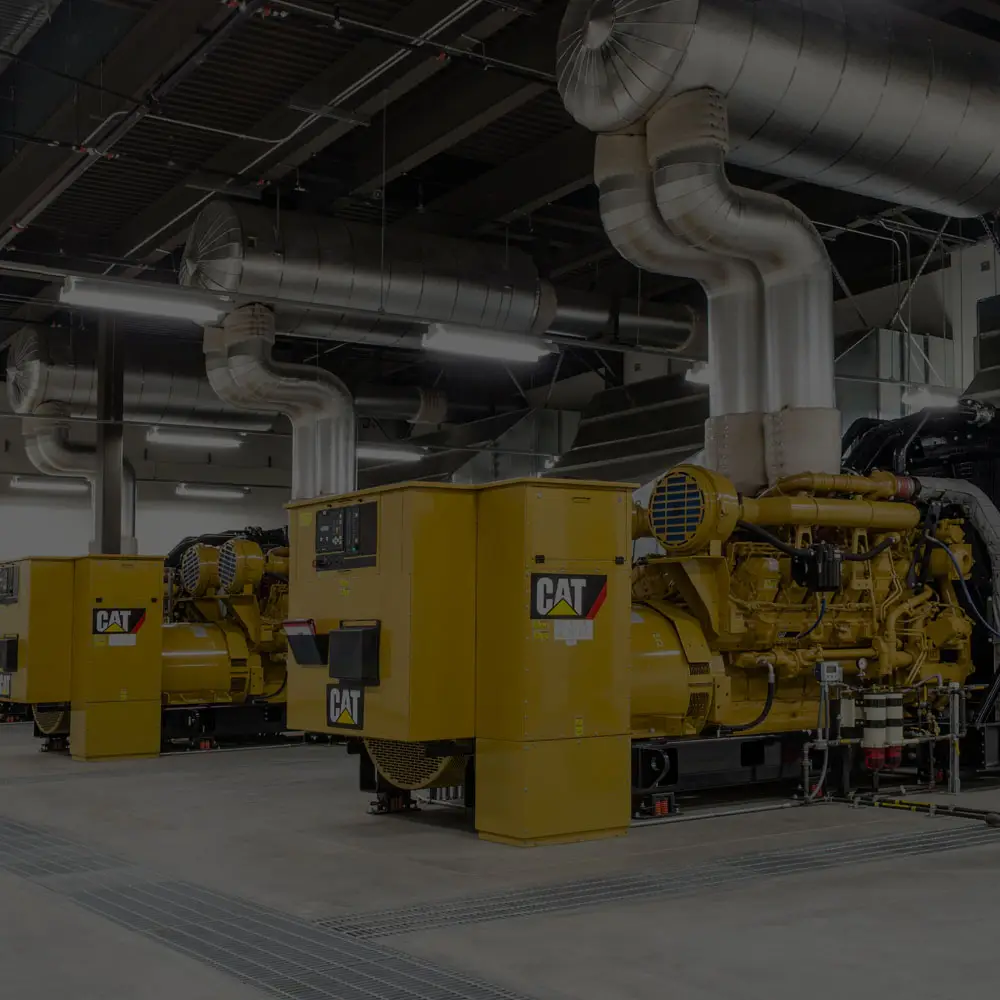
Industrial power distribution systems may include switchgear, transformers, panels, feeders, disconnects, motor control centers, wiring, and equipment connections. These systems help distribute power throughout the facility based on the needs of each production area.
Before adding new equipment or expanding a production line, facilities should review whether the existing electrical infrastructure can support the added load. This helps identify concerns such as limited panel space, overloaded circuits, aging equipment, or undersized electrical capacity before installation begins.
Planning power distribution early can help reduce delays during equipment upgrades and keep electrical work better aligned with production needs.
Automation and Controls Help Manage Production Flow
Modern food and beverage facilities often rely on automation to improve consistency, speed, and process control. Production lines may use programmable logic controllers, variable frequency drives, sensors, control panels, human-machine interfaces, conveyors, and monitoring systems.
These systems help operators manage equipment speed, track production conditions, and respond to issues more efficiently. However, automation depends on proper electrical installation, wiring, controls, and equipment connections.
Universal Electrical supports automation environments through equipment installation and relocation, control wiring, conveyor wiring, motor controls, and electrical system upgrades. When automation and electrical systems are coordinated correctly, facility teams can better manage production flow and equipment performance.
Washdown and Sanitation Areas Require Special Electrical Planning
Processing plants often include areas exposed to water, steam, cleaning chemicals, moisture, temperature changes, and frequent washdowns. These conditions can create challenges for electrical equipment if the system is not designed for the environment.
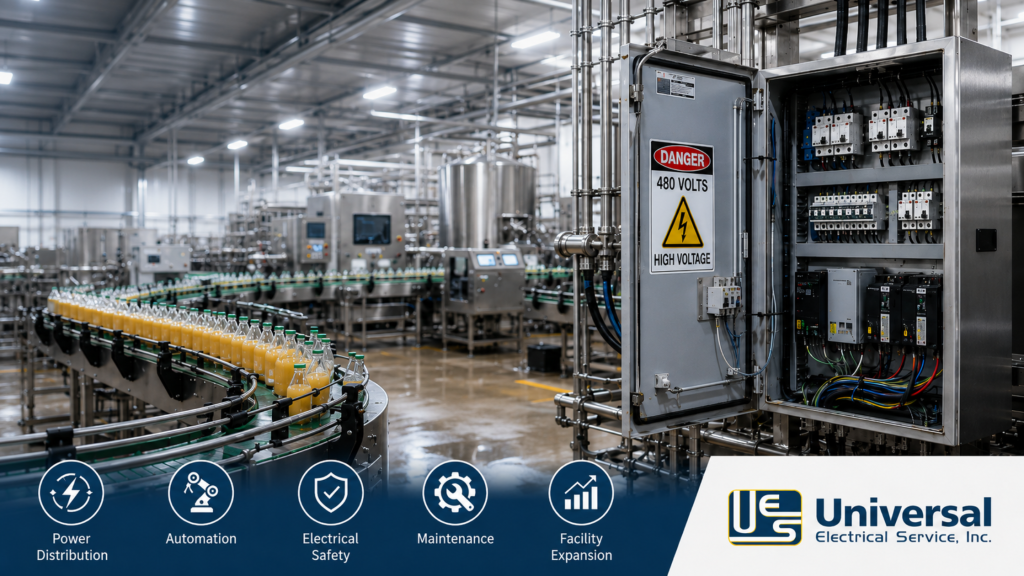
In sanitation and washdown areas, food grade electrical installations may require properly rated enclosures, sealed fittings, moisture-resistant components, corrosion-resistant materials, protected conduit, ground fault protection, and careful equipment placement.
These details help protect electrical components from corrosion, moisture intrusion, and premature failure. They also help support safer working conditions in areas where electrical equipment may be near water or cleaning processes.
For food and beverage facilities, sanitation planning is not separate from electrical planning. The two often work together, especially in processing rooms, packaging areas, cleaning stations, and refrigeration zones.
Preventive Electrical Maintenance Helps Identify Problems Early
When an electrical issue occurs unexpectedly, maintenance teams may have to respond quickly while production, shipping, and staffing are affected.
Preventive electrical maintenance helps identify concerns before they become larger failures. This may include inspecting panels, checking connections, reviewing wiring, evaluating load conditions, testing equipment, checking motor controls, and looking for signs of heat, corrosion, moisture, or wear.
An electrical maintenance contractor can help facilities plan inspections around production schedules. This allows maintenance work to be completed with less disruption to active operations.
Routine maintenance can also help facilities understand where older electrical systems may need upgrades, repairs, or additional capacity as production needs change.
Electrical Safety Matters in Food and Beverage Facilities
When combining electrical equipment, moving machinery, water, heat, refrigeration, and cleaning processes, electrical safety is an important part of daily facility operations.
Common safety concerns may include shock risk, poor grounding, damaged wiring, overloaded panels, moisture exposure, improper labeling, aging infrastructure, and arc flash hazards.
An arc flash hazard can create serious risk for workers and maintenance teams. Electrical safety practices, equipment labeling, preventive maintenance, and NFPA 70E-related training can help facilities reduce exposure to electrical hazards.
Working with an NFPA 70E compliant electrical contractor can help food and beverage facilities improve safety practices around electrical equipment, energized work, and maintenance procedures.
Electrical Planning Supports Facility Expansion
As food and beverage companies grow, their electrical systems often need to support new equipment, larger production lines, expanded refrigeration, additional storage areas, and more automation.
Before new machinery is installed, facilities should review available electrical capacity, panel space, equipment power requirements, control system needs, wiring routes, shutdown requirements, and future expansion plans.
This type of planning is especially important for companies managing multiple facilities or regional growth. Universal Electricals’ experience with multi-state industrial electrical projects helps support facilities that need consistent electrical project execution across different locations.
By reviewing electrical needs before installation begins, facilities can reduce avoidable delays and make better decisions about upgrades, scheduling, and long-term infrastructure.
Why Food and Beverage Facilities Need an Industrial Electrical Contractor
Food and beverage processing facilities need an industrial electrical contractor because their electrical systems must support specialized equipment, production schedules, sanitation areas, automation, maintenance, and safety requirements.
These environments are different from standard commercial buildings. They require electrical contractors who understand production equipment, plant conditions, shutdown coordination, safety practices, and the importance of completing work with minimal disruption.
Universal Electrical supports food and beverage facilities with electrical system installation, power distribution, equipment installation and relocation, control wiring, conveyor and production line support, preventive maintenance, troubleshooting, arc flash safety support, and facility expansion projects.
Building Reliable Electrical Systems for Food and Beverage Operations
Processing plants rely on electrical systems at every stage of operation, from production and packaging to refrigeration, sanitation, automation, maintenance, and expansion.
At Universal Electrical, we understand that these systems need to be planned around the way industrial facilities actually operate. The right electrical support can help food and beverage facilities manage equipment needs, improve safety practices, prepare for upgrades, and keep production areas properly supported.
To discuss electrical support for your food or beverage processing facility, contact Universal Electrical.
FAQ
Before adding new equipment, the facility should review available electrical capacity, panel space, feeder size, equipment load requirements, motor control needs, shutdown timing, and future expansion plans. This helps identify whether the current power distribution system can support the added demand or if upgrades are needed before installation begins.
Washdown areas create electrical challenges because water, steam, cleaning chemicals, and moisture can damage electrical components if they are not properly protected. These areas may require rated enclosures, sealed fittings, corrosion-resistant materials, protected conduit, ground fault protection, and careful equipment placement to reduce the risk of corrosion, short circuits, and premature failure.
Unexpected downtime can be caused by loose connections, overloaded circuits, aging panels, worn motor controls, damaged wiring, heat buildup, moisture intrusion, poor grounding, or control system failures. Routine inspections help identify these issues early so repairs or upgrades can be planned before they interrupt production.