Strong industrial electrical teams are not built through field experience alone. Electricians also need structured technical instruction, repeated hands-on practice, safety knowledge, guidance from experienced workers, and a clear path toward greater responsibility.
Universal Electrical created Universal Academy after recognizing that its apprentices were not receiving enough practical, in-depth training through other institutions. The result is an electrical apprenticeship training program designed to connect classroom education with the tools, equipment, systems, and working conditions electricians encounter in the field.
For electrical contractors, this structured approach provides more than an entry point into the trade. It creates a repeatable process for developing skills, transferring knowledge, preparing future leaders, and building a more consistent workforce.
Why Universal Electrical Created Its Own Apprenticeship Program
Universal Electrical established Universal Academy in 2017 to provide its employees with more comprehensive hands-on and technical instruction. The company believed knowledge should be introduced through instruction, reinforced through repetition, and developed through practical application.
After the program generated interest from other contractors, Universal Academy opened its doors to their employees in 2018. This gave companies without their own internal training program an opportunity to invest in employee development through an established apprenticeship structure.
Today, Universal Academy accredited training includes a fully accredited, Pennsylvania-registered four-year electrical apprenticeship program based on the National Center for Construction Education and Research curriculum.
Because the Academy was created by an active electrical contractor, its training is connected to the workforce needs contractors face on commercial and industrial projects.
What Does Universal Academy’s Electrical Apprenticeship Include?
The four-year curriculum moves apprentices from foundational electrical concepts to more advanced systems, troubleshooting, and leadership responsibilities.
Electrical Foundations
Apprentices begin by developing the knowledge needed to understand electrical installations and work safely around electrical systems. Early training covers:
- Electrical theory and circuits
- Electrical safety
- Lockout/tagout procedures
- National Electrical Code navigation
- Construction drawings and electrical symbols
- Conductors, cables, raceways, and fittings
- Device boxes
- Conduit bending
- Electrical test equipment
These subjects give apprentices a technical foundation before they progress to more complicated installations.
Installation and Equipment Skills
The next stage introduces equipment and installation methods commonly encountered in the field, including:
- Alternating-current systems
- AC and DC motors
- Lighting systems
- Mechanical and hydraulic conduit bending
- Cable pulling and cable trays
- Conductor terminations and splices
- Grounding and bonding
- Circuit breakers and fuses
- Basic control systems
Apprentices learn how these systems work while applying relevant NEC requirements to the installation process.
Commercial and Industrial Systems
Later instruction addresses systems found in complex facilities and industrial environments, including:
- Hazardous locations
- Overcurrent protection
- Switchboards and switchgear
- Transformers
- Commercial electrical services
- Motor calculations and controls
- Voice, data, and video systems
- Standby and emergency systems
- Fire alarm systems
- Advanced and HVAC controls
- Heat tracing and freeze protection
- Motor maintenance and troubleshooting
- Medium-voltage terminations and splices
The complete Universal Academy electrical apprenticeship curriculum shows how each level builds upon the previous stage, allowing apprentices to progress from fundamental knowledge to advanced electrical applications.
How Hands-On Training Builds More Consistent Teams
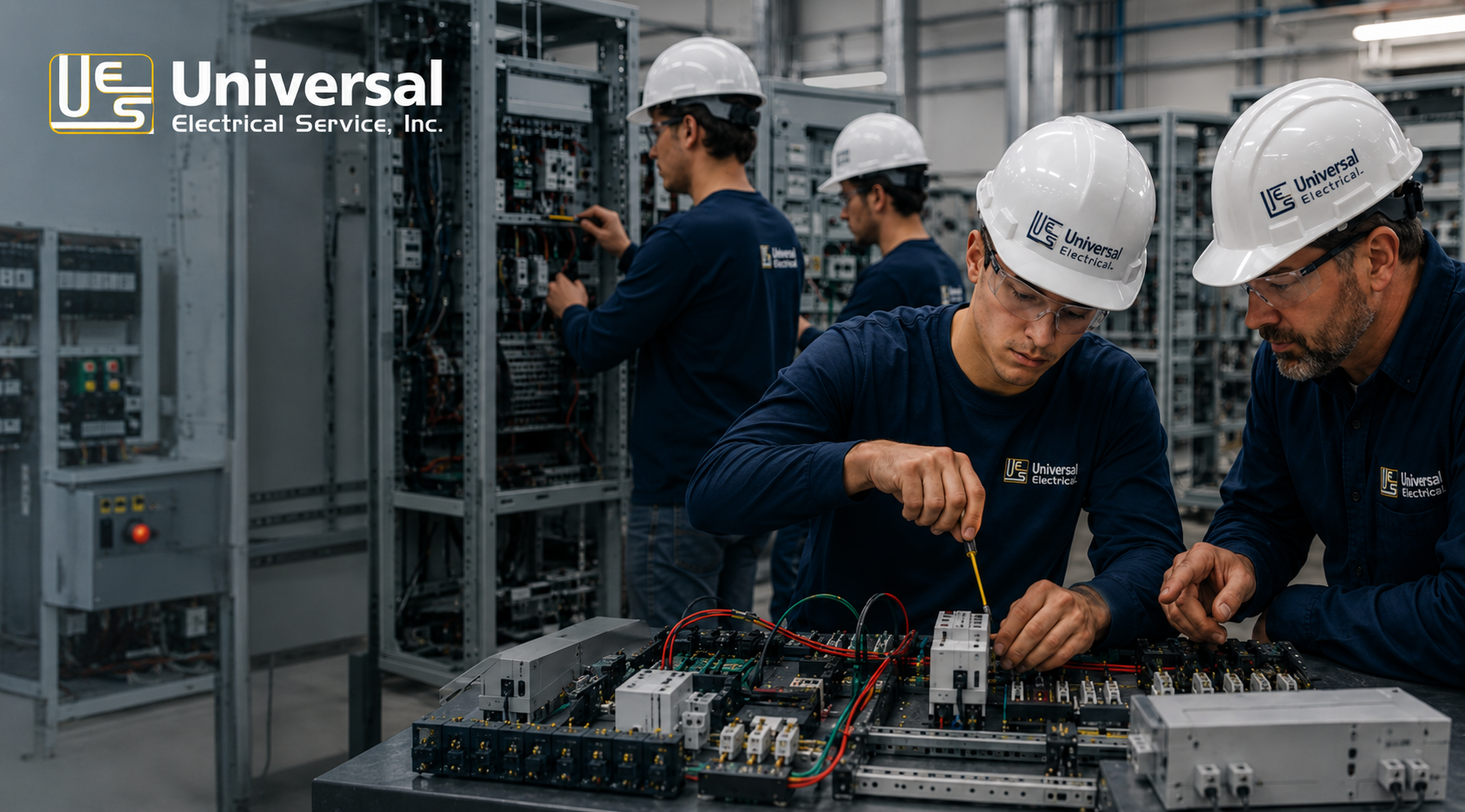
Universal Academy does not rely exclusively on textbooks and classroom lectures. Apprentices also work with tools, electrical equipment, testing devices, construction materials, and product specialists.
This practical instruction helps apprentices understand how technical principles and NEC requirements apply to actual electrical work. Rather than learning a concept once and being expected to remember it in the field, students can reinforce the lesson through repeated application.
A shared training foundation can also improve consistency across an electrical team. Supervisors and journeyworkers can build upon common terminology, procedures, and technical concepts instead of correcting unrelated habits developed through informal instruction.
This allows field mentors to spend more time teaching project-specific skills, including:
- Interpreting plans and specifications
- Preparing for difficult installations
- Recognizing potential jobsite complications
- Coordinating with other trades
- Troubleshooting equipment and systems
- Communicating changes
- Maintaining project quality
These capabilities support the different types of commercial and industrial electrical services contractors may perform across manufacturing facilities, distribution centers, healthcare buildings, data centers, and other complex environments.
How Apprenticeship Training Preserves Field Knowledge
Experienced electricians develop knowledge that cannot be gained from a course manual alone. They understand how to adapt when field conditions differ from drawings, coordinate work around active operations, recognize installation problems, and determine when a task requires additional planning.
Without a structured process for passing that knowledge forward, valuable experience can remain with a small group of senior employees.
An apprenticeship program creates opportunities for experienced electricians to transfer their knowledge through:
- Demonstration
- Supervised practice
- Correction and feedback
- Jobsite mentorship
- Gradually increasing responsibility
The apprentice benefits from direct guidance, while the experienced electrician develops communication and leadership skills. Over time, this process can help contractors preserve institutional knowledge as senior employees retire or move into other roles.
How Safety Training Supports Workforce Development
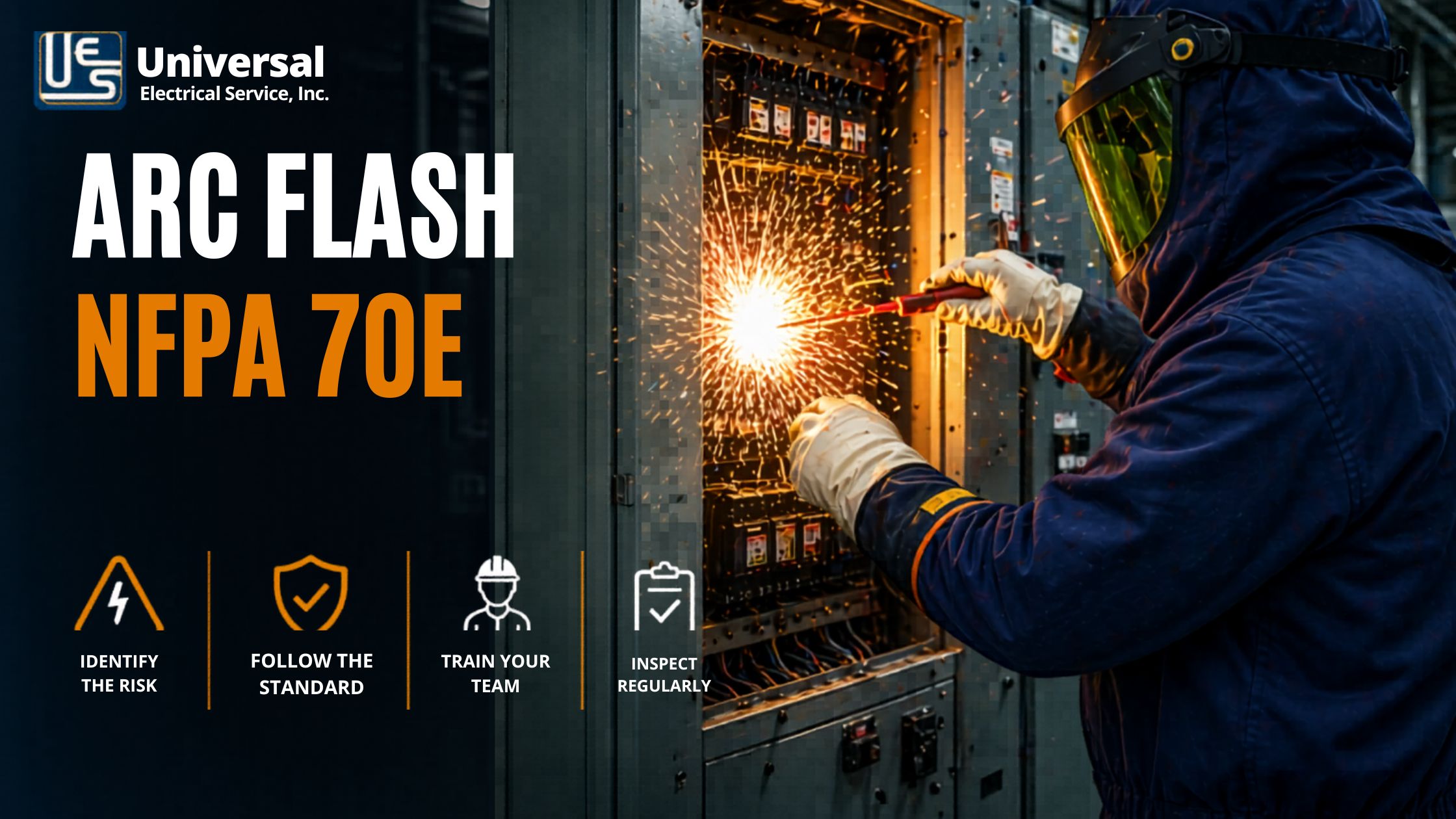
Electrical safety is integrated throughout Universal Academy’s apprenticeship curriculum. Apprentices learn about electrical hazards, lockout/tagout, test-equipment precautions, personal protective equipment, and methods for recognizing and documenting shock and arc-flash hazards.
The curriculum also addresses how to plan work around electrical hazards, establish safer working conditions, and select specialized protective equipment.
Universal Academy provides additional safety-training options beyond the four-year apprenticeship. These include NFPA 70E Arc Flash Awareness, First Aid, CPR and AED, and OSHA training. Customized training modules may also be developed around subjects such as motors and service maintenance.
These separate courses allow employers to address training needs across a broader portion of the workforce, including apprentices, experienced electricians, supervisors, and safety personnel.
They should not be confused with the standard apprenticeship curriculum. Course availability, schedules, certifications, and enrollment requirements should be confirmed directly with Universal Academy.
Preparing Apprentices for Leadership
A strong apprenticeship program should prepare electricians not only to complete assigned work, but eventually to communicate instructions, oversee quality, identify hazards, and guide less-experienced employees.
Universal Academy’s advanced curriculum includes fundamentals of crew leadership. This helps connect technical development with the responsibilities electricians may accept later in their careers.
Career paths for electricians may eventually include:
- Journeyworker responsibilities
- Crew leadership
- Specialized technical work
- Safety instruction
- Estimating
- Project management
- Apprenticeship instruction
Universal Electrical’s career opportunities also demonstrate how experienced electricians may direct apprentices and electrical helpers while completing installation, maintenance, and repair work.
By showing employees how their skills can progress over time, contractors can create a clearer workforce-development path and identify potential leaders from within the organization.
Building the Next Generation of Industrial Electricians
Electrical apprenticeship training helps contractors turn workforce development into a structured process. Technical instruction creates a shared foundation, practical exercises reinforce classroom learning, mentorship transfers field knowledge, and leadership development prepares electricians for future responsibilities.
Universal Academy brings these elements together through a program created by an electrical contractor that understands the demands placed on commercial and industrial electrical teams.
Electrical contractors seeking a structured way to develop employees can explore the Universal Academy program and contact Universal Electrical to discuss apprenticeship and workforce-training opportunities.
Frequently Asked Questions
Is Universal Academy only available to Universal Electrical employees?
No. Universal Academy opened its apprenticeship program to employees of other contractors in 2018. Employers should contact the Academy to confirm current enrollment requirements and availability.
Does apprenticeship training replace jobsite experience?
No. Apprenticeship training supports jobsite development by combining technical instruction, practical exercises, mentorship, and progressively more advanced field responsibilities.
Are Universal Academy’s safety courses included in the apprenticeship?
Electrical safety and hazard-management topics are part of the apprenticeship curriculum. Specialized courses such as Arc Flash Awareness and First Aid, CPR and AED are presented as separate training offerings, so employers should confirm which courses or certifications are included.